Teachers' Day
Happy Teachers' Day!

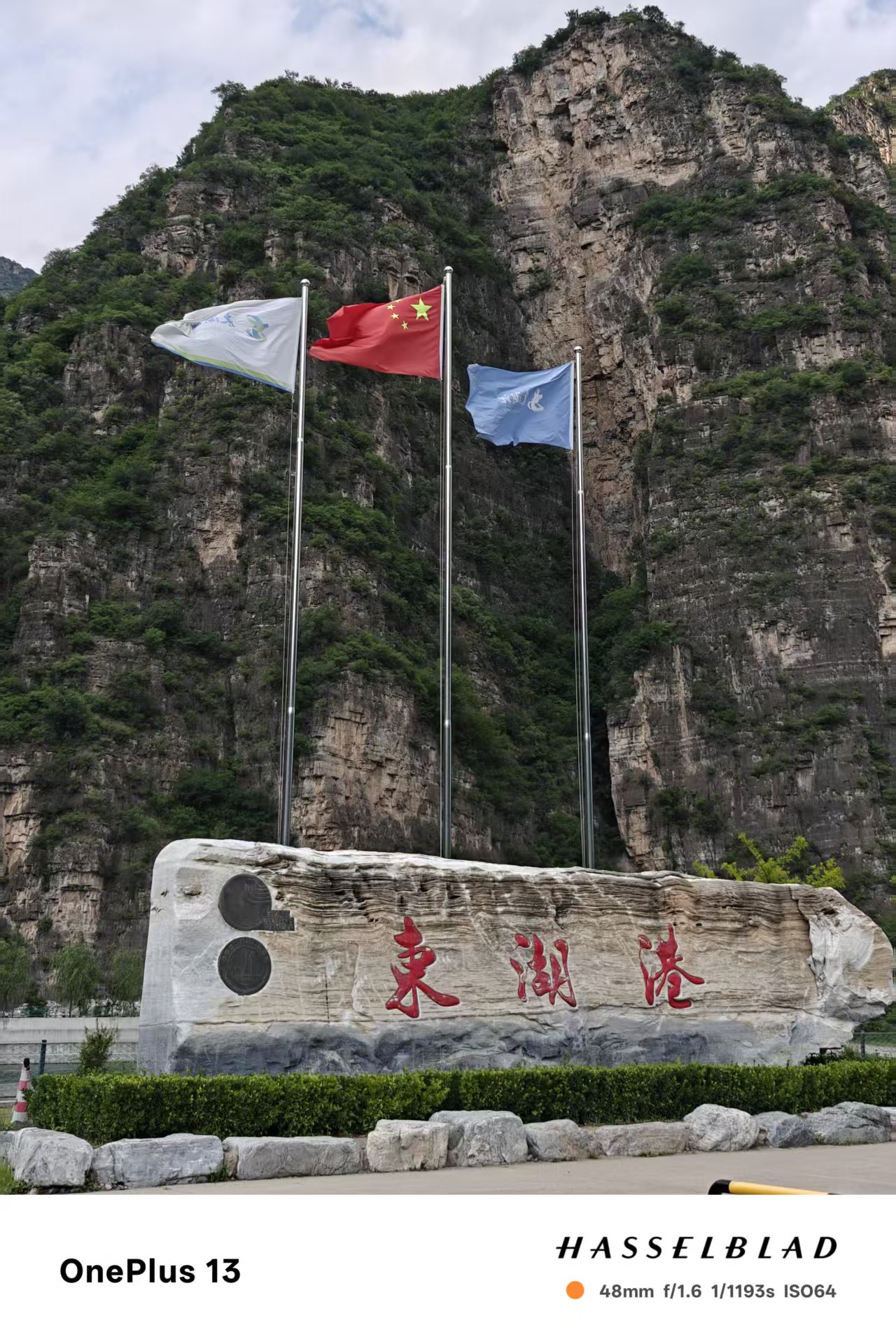
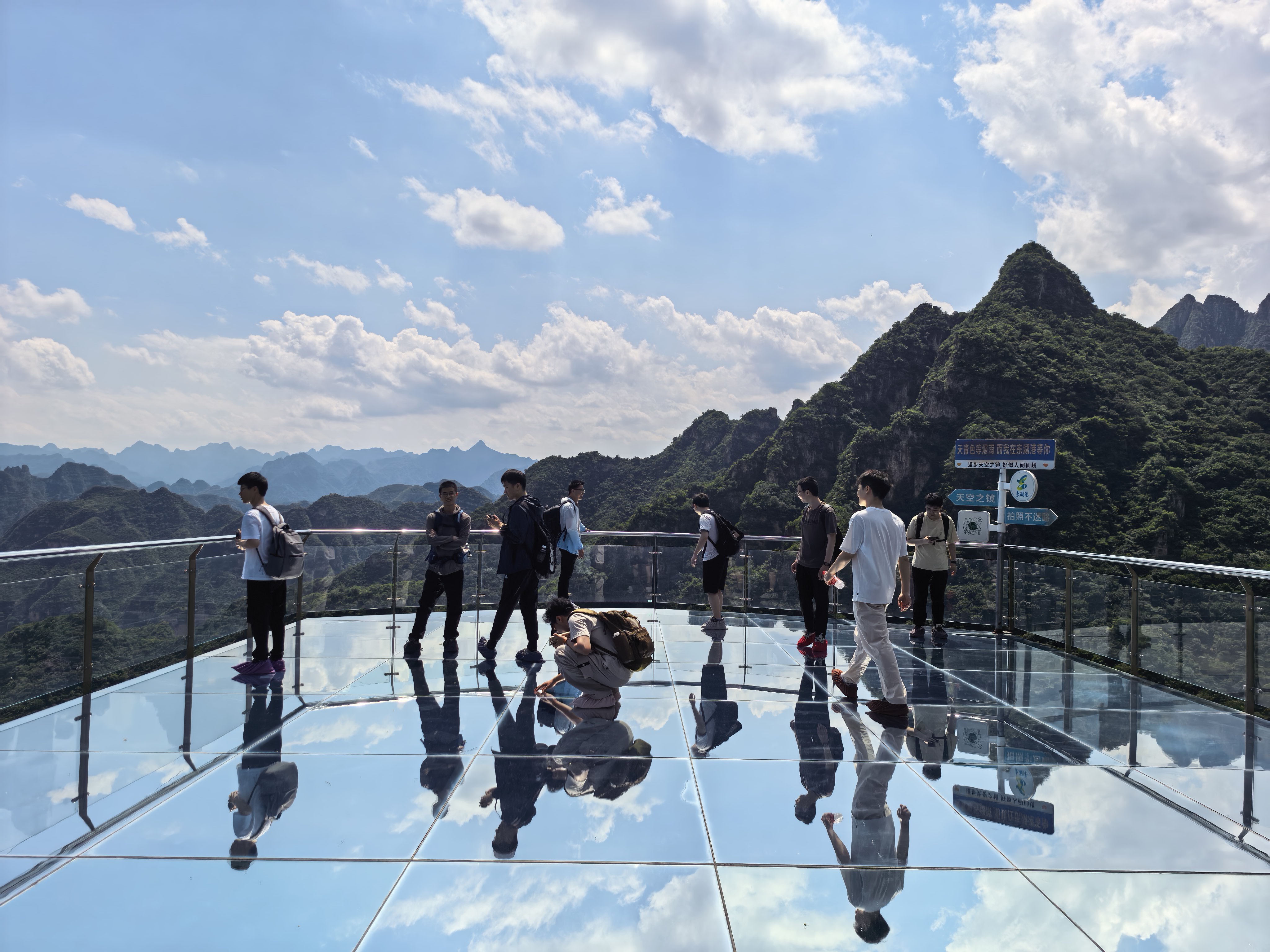
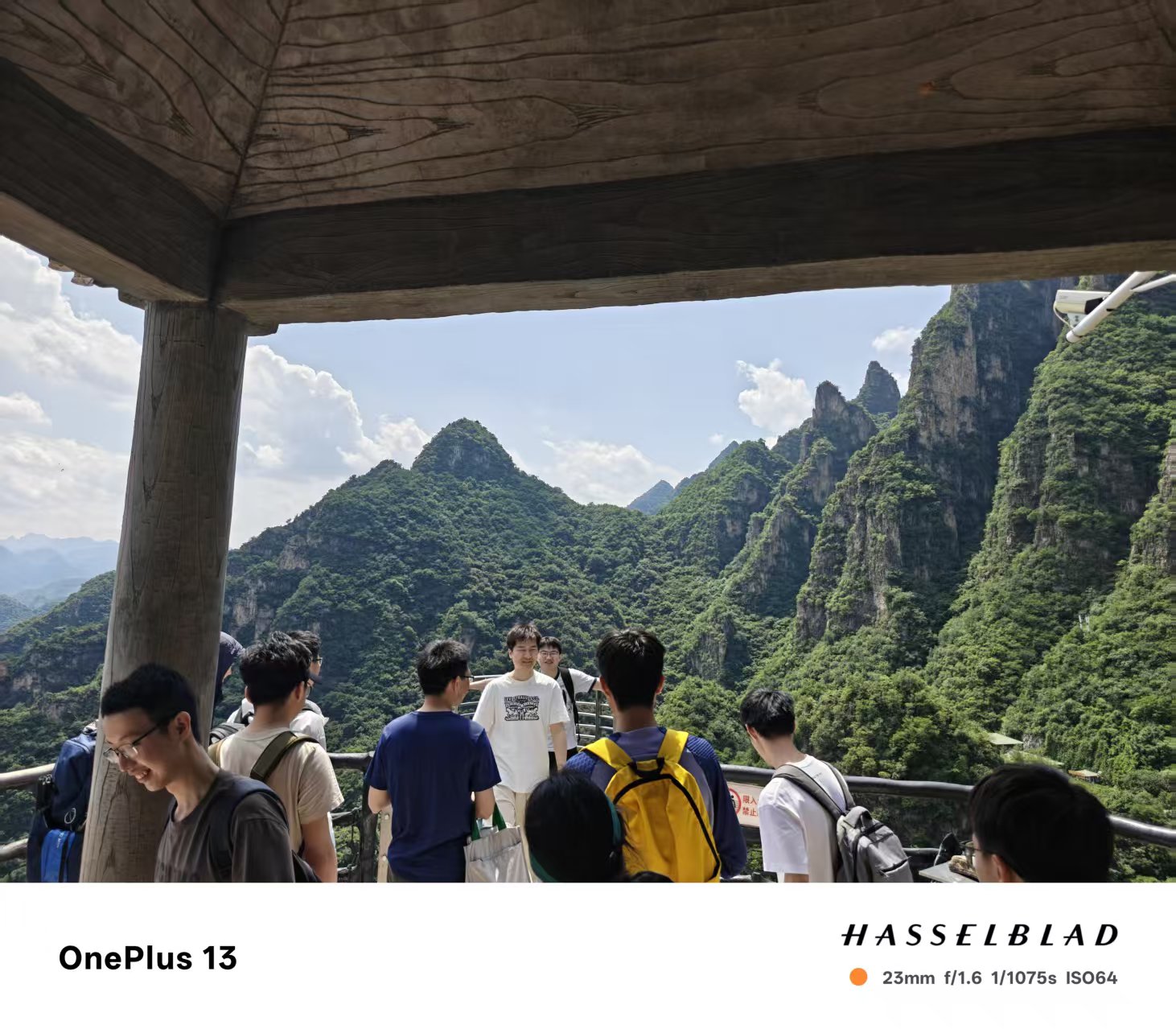
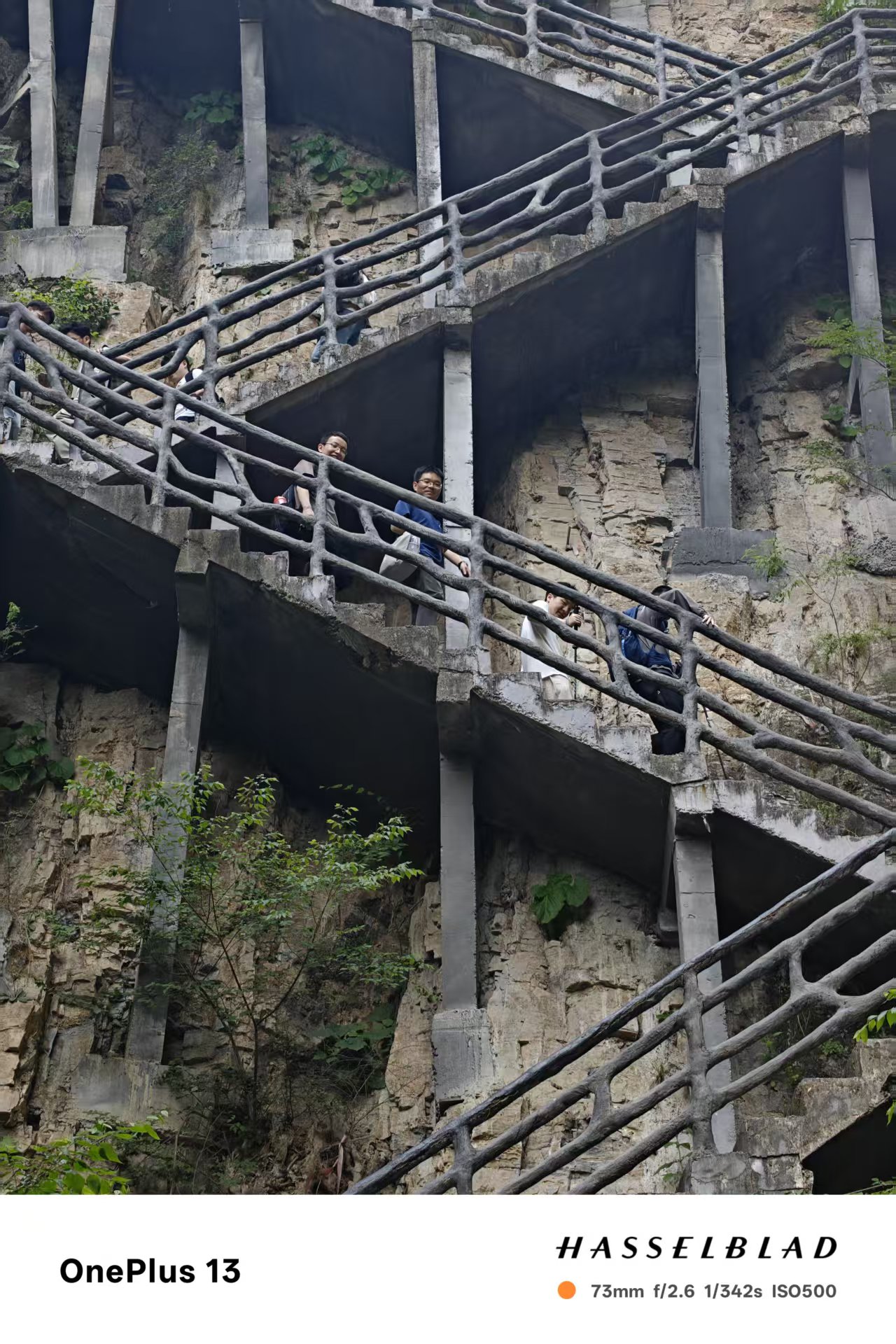
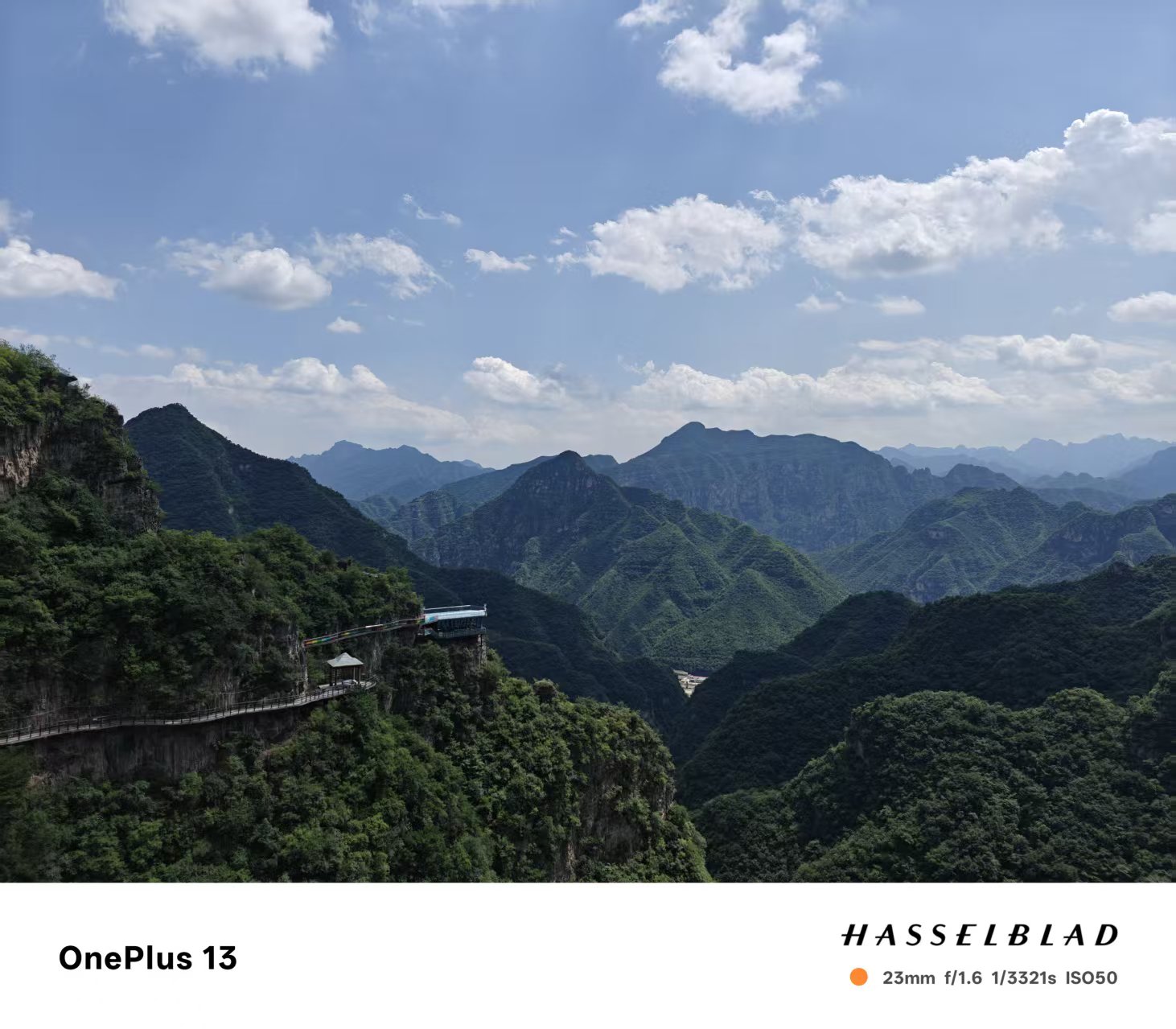
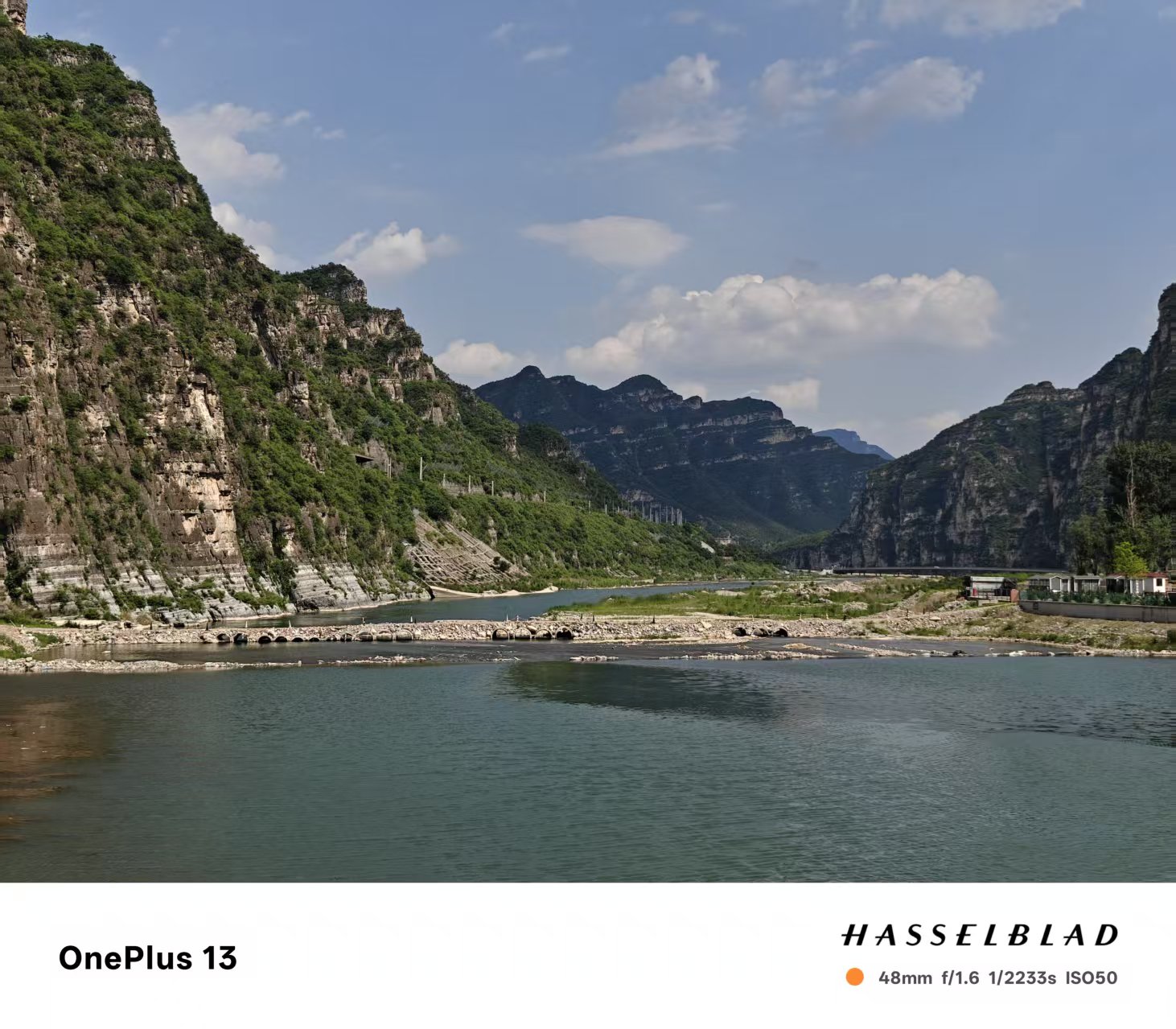
Spring outing at Donghugang
Rising up the ladder to view the mountains, walking along the secluded valley to hear the chirping of birds and the singing of flowers.



Cong Li joined the group
He received his PhD from the Institute of Physics, CAS, in 2020, carried out postdoctoral research at KTH Royal Institute of Technology from 2021 to 2024, and also served as a visiting scholar at Stanford University. He became a Researcher at KTH in 2025 and joined the Institute of Physics in 2026 as an Associate Professor. His expertise is in advanced ARPES techniques.
Huaibei International Ski Resort
The sound of skis cutting the snow was like the crisp peak of an electron jumping from the valence band into the conduction band!

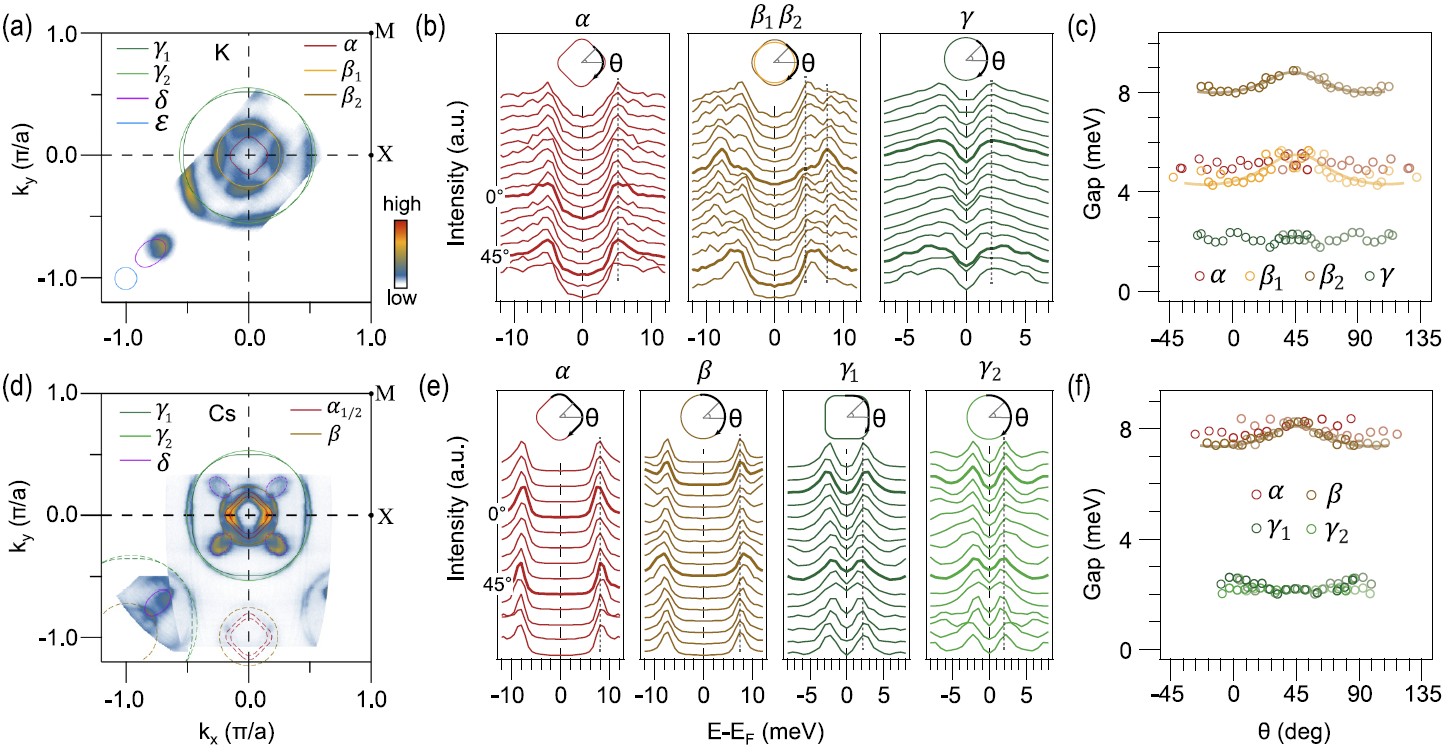
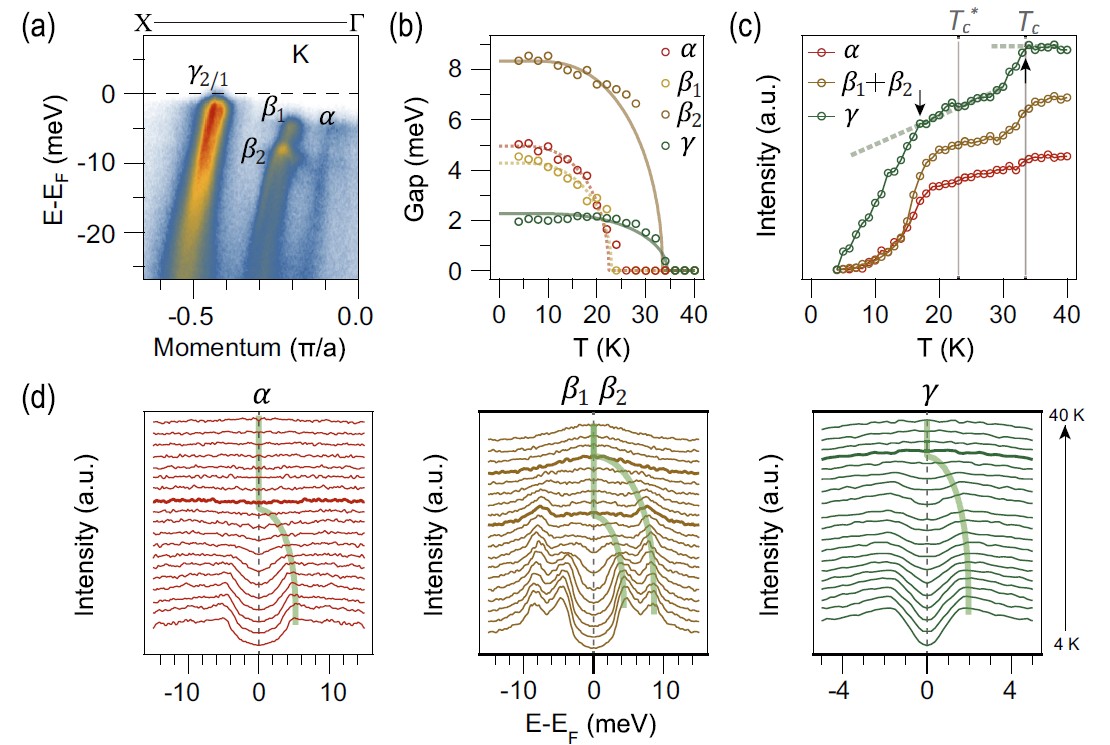
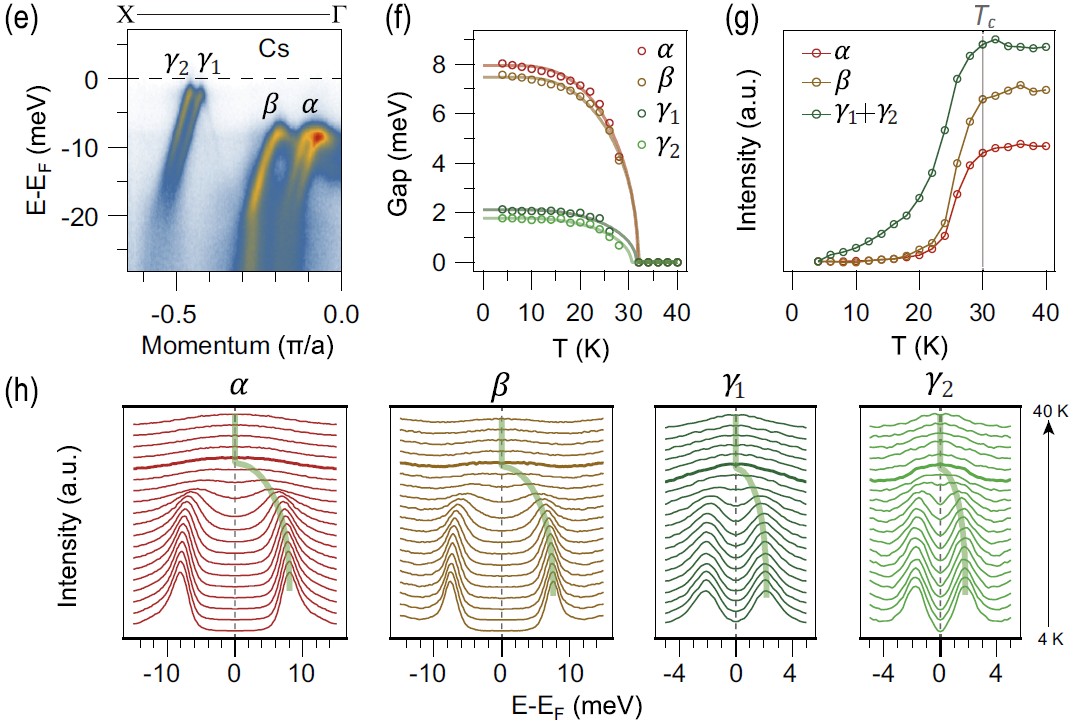
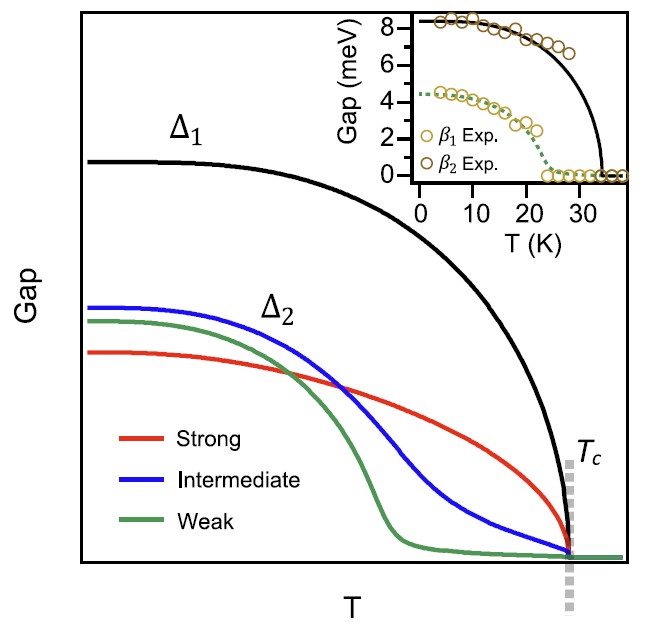
Shichong Wang’s ultrahigh-resolution study of superconducting gaps in bilayer iron-based superconductor ACa2Fe4As4F2 was published
Using our repetition-rate-multiplied laser source, the laser repetition rate was increased to 2 GHz, improving the efficiency of ultrahigh-resolution ARPES by more than a factor of 16. The work tracked the temperature evolution of multiband superconducting gaps in bilayer iron-based superconductor ACa2Fe4As4F2. In the K-containing compound, bilayer-split bands exhibit two distinct superconducting transition temperatures, providing direct evidence for a weakly coupled multiband superconducting state; in the Cs compound, only a conventional single transition is observed, consistent with suppressed interband pairing in Eilenberger two-band theory. This work opens a route toward designing novel superconductivity through band-selective pairing control. The paper, titled “Decoupled interband pairing in a bilayer iron-based superconductor evidenced by ultrahigh-resolution angle-resolved photoemission spectroscopy,” was published as a Letter in Physical Review B.
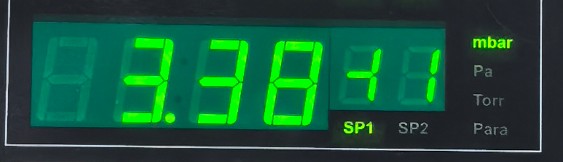
Far-infrared TRARPES vacuum record
The main chamber vacuum reached 3.38E-11 mbar.
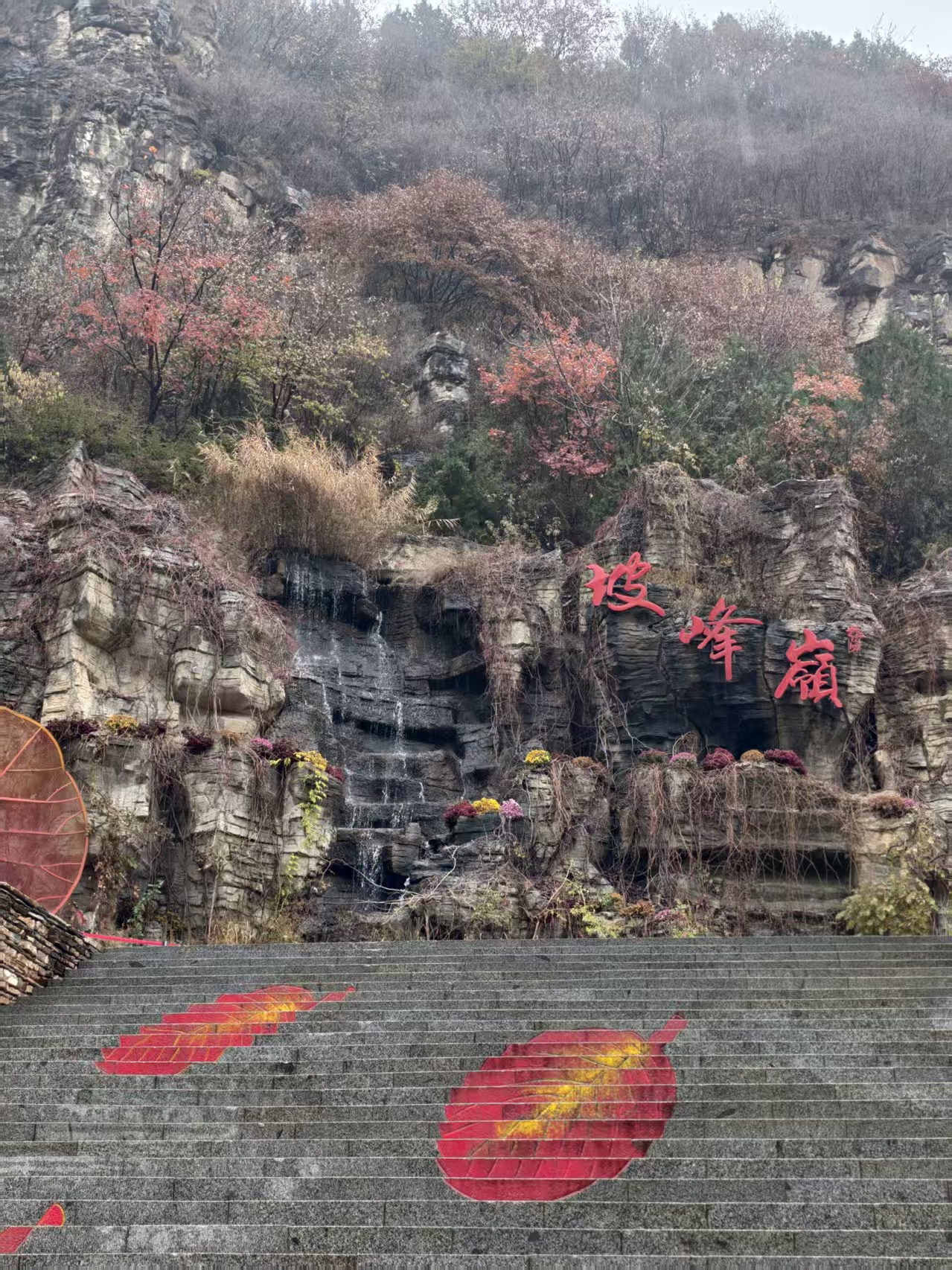
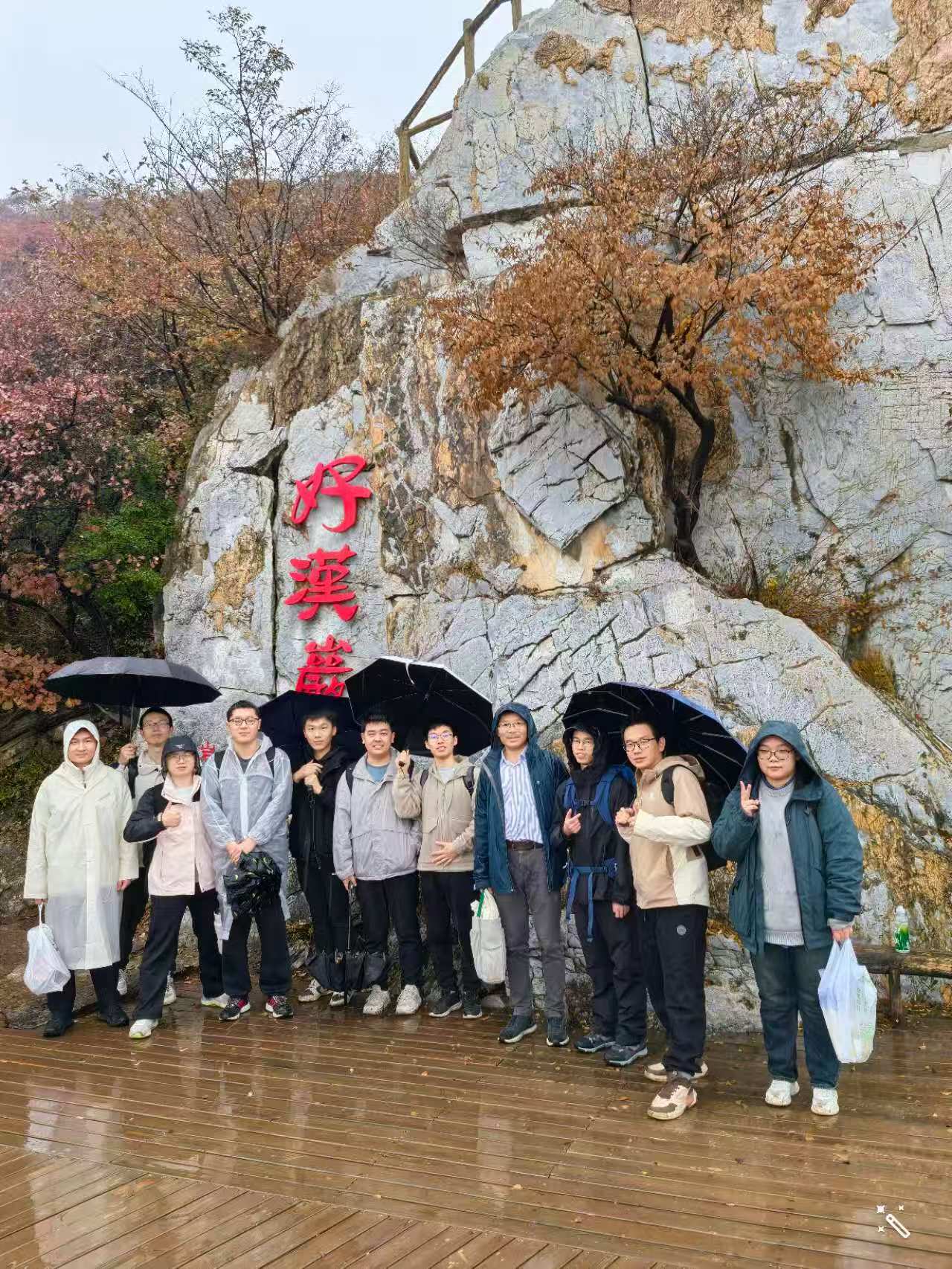
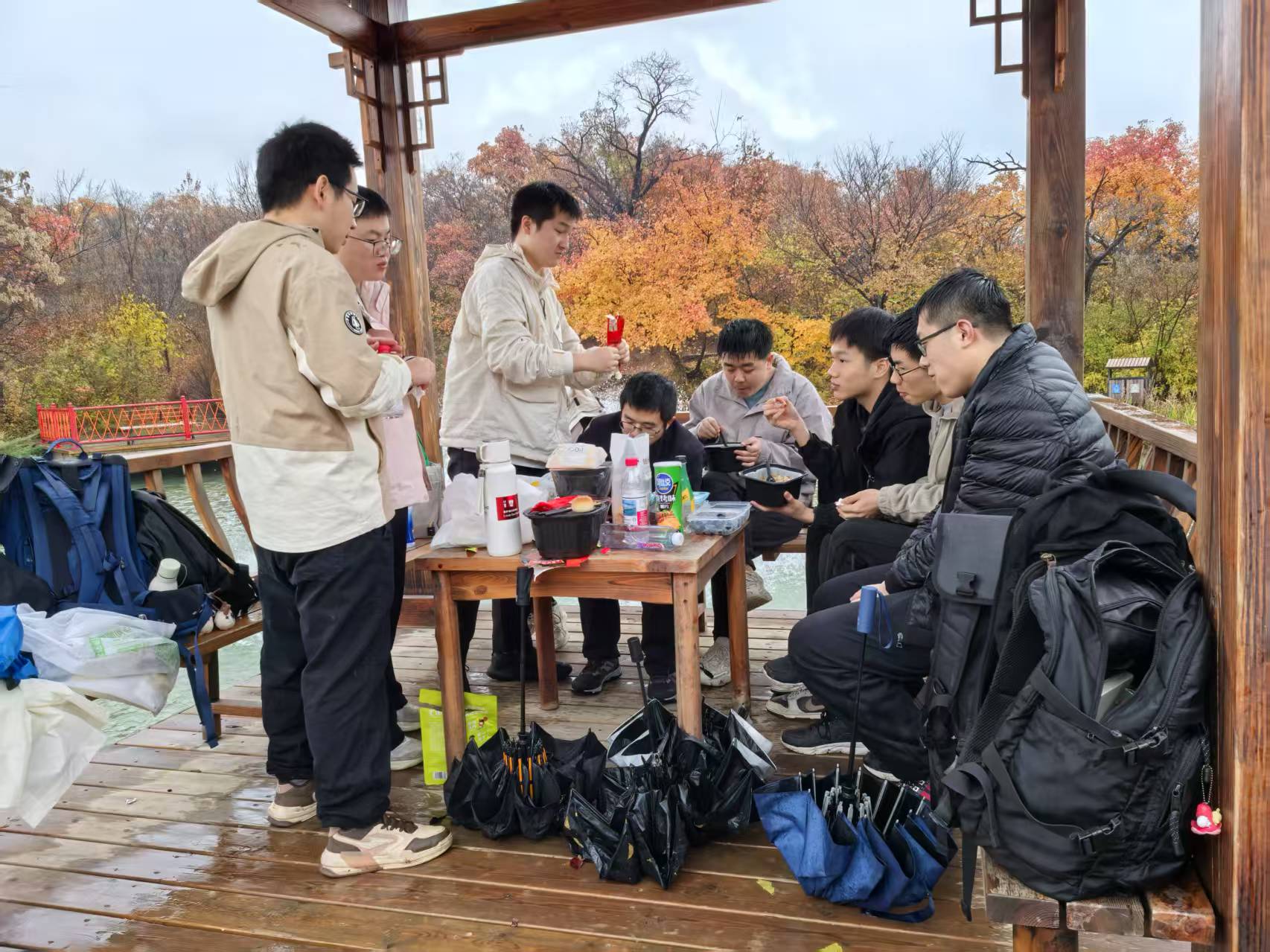
Autumn outing to Pofengling
Walking in the rain among red leaves and cool wind—an entirely different kind of beauty.




Yuyan Zhou joined the group
Master’s student, Class of 2025, enrolled in the fall.
Guochao Xu joined the group
Master’s student, Class of 2025, enrolled in the fall.
Spring outing to Yaoziyu Great Wall


Haoran Liu’s TRARPES paper on KV3Sb5 was published
Taking advantage of the ability of TRARPES to decouple electronic and lattice responses on ultrafast timescales, this work systematically analyzed the lattice distortion that persists in KV3Sb5 far above its CDW transition temperature from both electronic and lattice perspectives, and clarified the respective roles of electronic correlations and lattice distortion in three-dimensional CDW condensation. The paper, titled “Fluctuated lattice-driven charge density wave far above the condensation temperature in kagome superconductor KV3Sb5,” was published in Science Bulletin.


Shaofeng Duan’s TRARPES paper on GdTe3 was published online
Using TRARPES, this work discovered a long-lived metastable charge-density-wave state in GdTe3 after ultrafast photoexcitation. The state forms above the CDW melting threshold, exhibits no lattice distortion, and survives for about 10 ps, indicating that the dominant driving force of the CDW order is electronic instability rather than electron–phonon coupling. By separating electronic and lattice degrees of freedom out of equilibrium, the study provides a new route to reveal CDW formation mechanisms in correlated materials and demonstrates the central role of electronic correlations in the phase transition. The paper, titled “Identification of metastable lattice distortion free charge density wave at photoinduced interface via TRARPES,” was published in npj Quantum Materials.


MCP installed after arrival
The old MCP had aged; a new unit arrived and was successfully installed.


ARPES reached ultrahigh vacuum
Bake-out started on December 21, and ultrahigh vacuum was achieved on December 27. The main chamber reached 3.2×10⁻¹¹ mbar.


ARPES system installation completed
Installation of the manipulator and the first- and second-stage sample transfer for the closed-cycle system was completed, finishing the ARPES setup.


Legacy equipment and group members arrived in Beijing
All equipment was unloaded, and the optical tables and aluminum-frame supports were installed. The main ARPES system components were set in place.


Legacy equipment disassembly and packing completed
It took about two weeks to dismantle and pack the laboratory systems, and all equipment was loaded for transport.


Upper custom optical tables arrived
Four custom optical tables (2600×1500, 2500×1500, 2800×1500, and 1900×1500 mm), totaling 13.2 m², arrived for high-resolution ARPES, high-harmonic generation, and far-infrared-pump TRARPES.


Bottom support optical table for the new system arrived
The optical-platform system is designed in two levels. Both the ARPES system and the optical setup are mounted on the lower table to ensure a rigid mechanical connection between the ARPES and laser systems.


Shaofeng Duan joined the group
He received his PhD from Shanghai Jiao Tong University in 2022 and completed his postdoctoral work there in September 2024. His expertise is in time-resolved ARPES.
Laboratory cleanup completed
The optical tables were about to arrive.

Laboratory renovation completed
Heavy-duty aluminum supports were installed on the ceiling, clean panels were added to the walls and ceiling, and partitions were built for the sample room, chiller room, and rest area.

Donghua Chen decided to join the group
First-year master’s student from the Center for Applied Physics, transferred into the group.
Liuliu Ma decided to join the group
Third-year undergraduate student at the Cuiying Honors College of Lanzhou University, admitted to the group for direct PhD training.
Laboratory flooring completed
Tile flooring was used to ensure hardness and cleanliness.

Ceiling removal and air-conditioner relocation completed
To maximize room height, the original ceiling decoration was removed. Four indoor AC units were relocated to avoid interference with the instruments—especially the sample stage—and positioned to cool future heat-generating equipment efficiently.


Laboratory layout design completed
The laboratory layout reserves space for two TRARPES systems and one transport setup, including separate sample-preparation, chiller, and compressor areas.


Laboratory space assigned
Located in Room B119, Basement Level 1, Building M, Zhongguancun campus, with an area of about 100 m².


Group established
The SC11i group of the State Key Laboratory of Superconductivity, Institute of Physics, CAS, was established and began operating independently.